
 100% Canadian Owned and Led
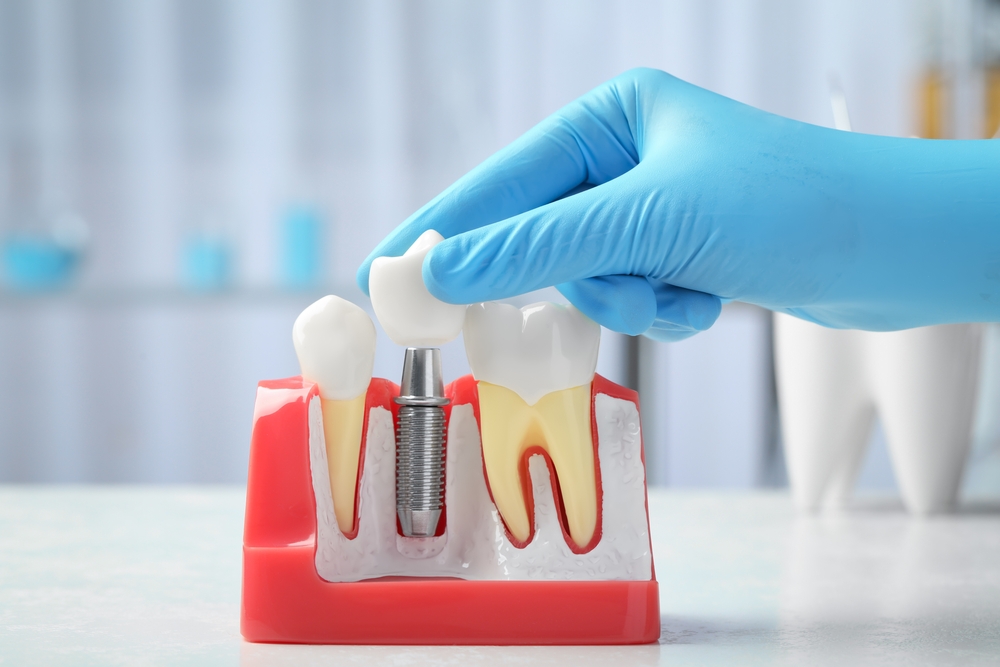
A weak or damaged tooth can quickly affect your comfort, confidence, and ability to enjoy everyday meals. Whether caused by decay, cracks, or wear over time, leaving a compromised tooth untreated can lead to bigger dental problems. Dental crowns in Edmonton provide an effective way to protect and strengthen vulnerable teeth by covering them with a durable, custom-fit restoration. This added layer of protection restores proper function, supports long-term oral health, and helps you chew comfortably while maintaining a natural-looking smile.
What Makes a Tooth Weak or Damaged?
Teeth can weaken over time for many reasons. Even small damage can grow into a bigger problem if left untreated. A dental clinic in Millwoods often sees patients with teeth that look fine on the outside but are weak underneath.
Common causes of weak teeth include:
- Large fillings that reduce tooth strength.
- Cracks from biting hard foods.
- Tooth grinding over time.
- Deep decay
- Trauma or injury.
When a tooth becomes weak, it can crack further or break completely without protection.
How Dental Crowns Protect Weak Teeth
Knowing what dental crowns do and how they protect weak teeth shows why they are often recommended. Crown covers the entire tooth, bonding to the tooth structure and relieving stress on damaged areas.
Dental crowns protect teeth by:
- Covering cracks so they do not spread.
- Shielding the tooth from pressure.
- Preventing bacteria from entering.
- Restoring proper bite force.
- Reducing sensitivity.
This full coverage allows the tooth to function normally again without pain or risk of breaking.
Types of Dental Crowns for Protecting Teeth
Dental crowns can be made from different materials depending on the strength, location and aesthetic requirements of the tooth being crowned.
Popular choices for crowns.
- Porcelain dental crowns for natural results.
- Ceramic crowns for durability and aesthetics.
- Metal crowns for the back teeth, which do heavy chewing.
- Porcelain-fused-to-metal crowns combine strength and aesthetics.
Your dentist selects the type of crown that best protects the tooth and fits properly.
Why Crowns Are Better Than Fillings for Weak Teeth
Fillings work well for small damage, but they cannot protect a weak tooth fully. When a large part of the tooth is damaged, a crown provides better support.
| Factors | Dental Crown | Filling |
|---|---|---|
| Coverage | Entire tooth | Partial |
| Strength | High | Limited |
| Protection | Long-term | Short-term |
| Risk of Breakage | Low | Higher |
Crowns hold the tooth together, while fillings only repair part of it.
How Long Dental Crowns Protect Teeth
Dental crowns are built to last. With proper care, they can protect teeth for many years.
Factors that affect crown lifespan include:
- Oral hygiene habits.
- Avoiding hard foods.
- Regular dental visits.
- Managing teeth grinding.
Crowns offer long-term protection when cared for properly.
Caring for a Crowned Tooth
Even though crowns are strong, daily care is important.
Simple care tips:
- Brush twice daily.
- Floss gently around the crown.
- Avoid chewing ice or hard objects.
- Visit your dentist near you regularly.
Protect Your Teeth with Professional Care!
If you have a weak or damaged tooth, timely care can make a lasting difference. At Millwoods Dental Choice, our friendly team focuses on restoring strength, comfort, and function with carefully fitted dental crowns. Book an appointment today is a simple step toward protecting your smile, improving daily comfort, and keeping your teeth healthy for years to come.
FAQs
Can a crown help stop a cracked tooth from breaking further?
Yes. A dental crown encapsulates a tooth and secures it in place. This helps to prevent cracks from spreading. It also helps in reducing the chances of a tooth breaking off while chewing.
Does a cap or permanent crown protect the tooth?
A crown provides robust, lasting coverage. However, it also requires proper care, such as brushing, flossing, and dental check-ups, to be effective over time.
Will you feel a difference with the crowned tooth?
Initially, it may feel a little strange, but most people say that after a brief adjustment period, it feels comfortable and works just like a natural tooth.
Can dental crowns be used for posterior teeth?
Indeed. Dental crowns are usually put on back teeth, as they prevent damage and provide strength to the molars, which can take the heavy chewing pressure safely.