
 100% Canadian Owned and Led
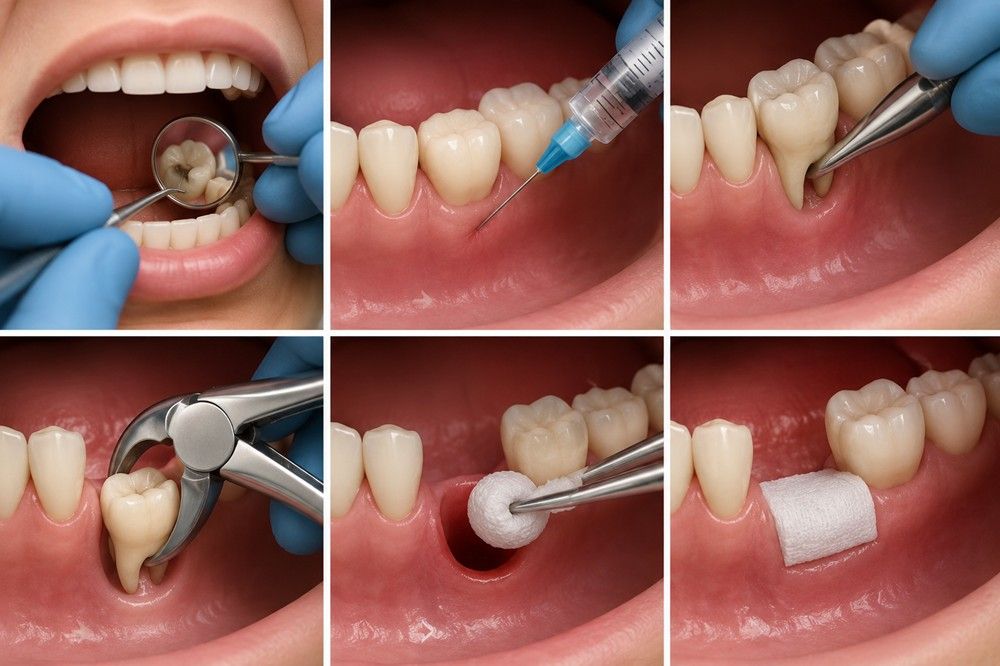
Are you wondering what actually happens during a tooth extraction and why it is sometimes needed? A tooth extraction is a dental procedure used to remove a tooth that is damaged, infected, or cannot be saved. Many people searching for tooth extractions want to clearly understand how the process works and what to expect during treatment so they feel more prepared and less anxious.
Knowing each step in advance helps patients feel calm, confident, and comfortable before visiting the dentist, making the overall experience easier and less stressful.
Why a Tooth May Need to Be Removed
Dentists always try to save natural teeth first. However, in some cases, removal becomes the best option for protecting overall oral health.
Common reasons include:
- Severe tooth decay that cannot be repaired
- Deep infection inside the tooth
- A broken tooth that cannot be restored
- Overcrowding in the mouth
- Advanced gum disease weakens support.
Patients visiting a dentist in Millwoods are usually advised about extraction only after a full dental check and X-rays to confirm the condition of the tooth.
What Happens Before a Tooth Extraction
Understanding what to expect during tooth extraction helps reduce anxiety and makes the experience easier.
Before the procedure begins:
- The dentist examines the tooth and the surrounding gums.
- X-rays are taken to check the root and bone support.
- Medical history is reviewed for safety.
- The treatment plan is explained in simple steps.
- Any questions from the patient are answered.
This preparation ensures everything is planned carefully before starting.
Step-by-Step Dental Extraction Process
The dental extraction steps are designed to be safe, controlled, and as comfortable as possible.
Step 1: Numbing the Area
A local anesthetic is given to numb the tooth and surrounding gums. This ensures the patient does not feel pain during the procedure.
Step 2: Loosening the tooth
After the area is numbed, the dentist will use specific tools to loosen the tooth. It makes it ready for its safe removal.
Step 3: Removing the tooth
Once the tooth has become loose, the dentist gently removes it from its socket. Generally, this step is completed quickly and carefully.
Step 4: Cleaning the area
The space is cleaned to remove infection, dirt, or damaged tissue. This helps the area heal properly.
Step 5: Stopping bleeding
The dentist places a small gauze on the area. It helps form a blood clot and stops the bleeding naturally.
Pain Management During Tooth Extraction
A common concern for many patients is discomfort. Modern dental care focuses strongly on comfort and safety.
Pain management during tooth extraction may include:
- Local anesthesia to fully numb the area.
- Gentle techniques to reduce pressure and stress
- Sedation options for anxious patients, if needed
- Recommended pain relief medicine after treatment
Most patients report feeling pressure but not pain during the procedure because the area is properly numbed.
Aftercare and Healing Process
Proper care after extraction is very important for smooth healing and to avoid complications.
Patients are usually told to do this afterward.
- Apply pressure on the gauze for a few hours.
- Do not rinse out too hard on the first day.
- Consume soft foods, such as yogurt, soup, or mashed food.
- Stay away from hot drinks and crunchy food for starters.
- Don’t smoke or use straws.
- Gently brush the area with.
In most cases, healing starts to improve after a couple of days, and the gum continues to heal over a longer time.
Normal Reactions After Tooth Extraction
It is normal to experience mild effects afterward.
These might consist of.
- Mild swelling in that area
- Minor pain that lasts for some time.
- Subtle blood discharge in the first hours.
- Sensitivity during chewing temporarily.
The symptoms often fade away as healing proceeds.
When to Contact a Dentist After Extraction
Most healing happens smoothly, but in some cases, follow-up care may be needed.
Patients should contact a dentist if they notice:
- Pain that becomes worse after a few days
- Excessive or continuous bleeding
- Swelling that does not improve.
- Signs of infection, such as fever or bad taste
Early attention helps prevent further complications.
Why Tooth Extraction Should Not Be Delayed
Delaying treatment for a badly damaged tooth can lead to more serious problems.
Possible risks of waiting too long include:
- Increased pain and discomfort
- Spread of infection to nearby teeth
- Swelling in the gums or jaw
- Difficulty eating or speaking
- More complex treatment later
Many people searching for tooth extractions near you are often dealing with worsening symptoms that could have been managed earlier.
Gentle Dental Care You Can Trust for a Healthier Smile!
If a tooth cannot be saved, then extraction may be the right choice. When patients understand every step of the process, they feel less scared and more ready. Usually, it is smooth and comfortable to heal with proper pre and post-treatment care. Our dentist near you will help you restore your oral health in comfort and safety with clarity at every step. Schedule your appointment today.
FAQs
Will I feel anything during tooth extraction?
No, the area is completely numbed before the procedure, so most patients do not feel pain. You may only feel slight pressure while the tooth is being removed.
How long does it take for a tooth extraction to heal?
The initial healing period usually lasts a few days, while the gums and surrounding tissue heal fully, which takes a few weeks, depending on the particular case and afterwards cared.
Can I eat normally following a dental extraction?
After the procedure, you will be advised to eat soft foods. As healing takes place and comfort returns, normal eating can resume slowly.
After tooth removal, is swelling normal?
It’s very normal for there to be some swelling after an extraction, and it should reduce in a couple of days as the healing process continues.