
 100% Canadian Owned and Led
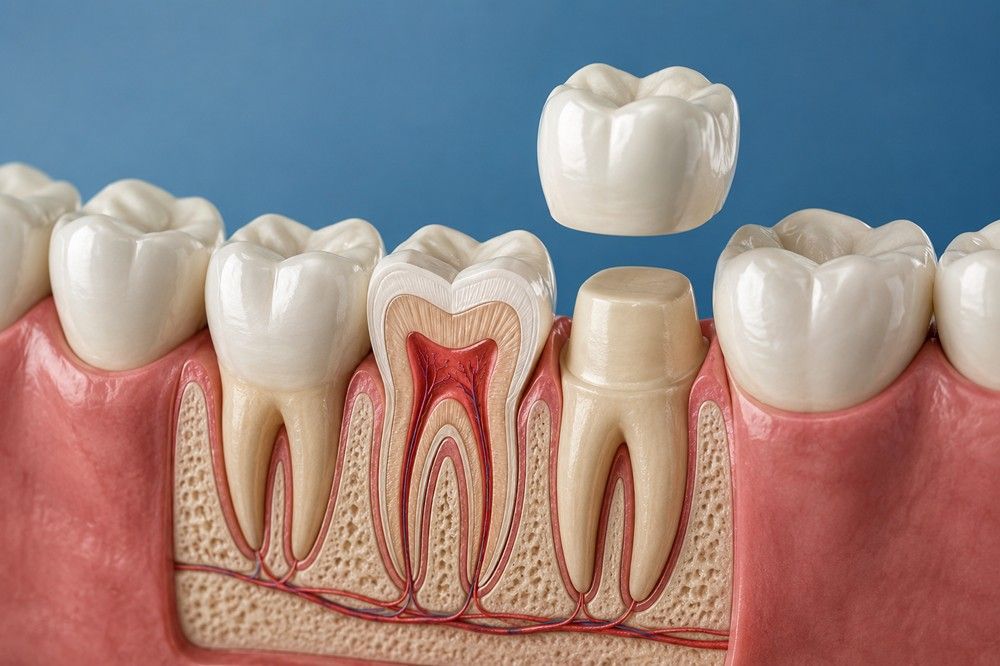
Do you always need a dental crown after a root canal? After a root canal, many patients feel unsure about what comes next in their treatment. One common question is whether a dental crown is always required. A dental clinic in Millwoods often explains that while root canal treatment helps save the natural tooth, a crown may still be needed to protect it, strengthen it, and support long-term use.
Understanding when and why a crown is recommended helps patients make better decisions about their oral health.
Why are Crowns Considered After Root Canal Treatment?
After undergoing root canal therapy in Edmonton, the infected or damaged pulp inside the tooth is removed. This stops pain and saves the natural tooth. However, the tooth can become weaker over time because it no longer contains living tissue.
A crown is a protective covering for the tooth. It reinforces strength, enhances functionality, and lowers the danger of fracture or splitting during mastication.
Do All Root Canal Teeth Need Crowns?
Not every tooth automatically needs a crown after root canal treatment. It depends on:
- Which tooth is treated (front or back tooth)
- How much natural tooth structure is left
- The level of damage or decay
- Chewing pressure on that tooth
Back teeth (molars) often need crowns more often because they withstand greater biting forces.
What Happens if a Crown is Not Placed?
If a crown is not placed when needed, the tooth may become more vulnerable. Possible risks include:
- Cracking or breaking of the tooth
- Re-infection inside the tooth
- Loss of tooth structure
- Need for further dental treatment.
This is why dentists carefully evaluate each case before recommending the next step.
Benefits of Getting a Dental Crown After a Root Canal
A crown provides long-term protection and support. Key benefits include:
- Strengthens weakened tooth structure
- Restores normal chewing ability
- Protects against fractures
- Improves tooth appearance
- Helps extend tooth lifespan
This makes crowns an important part of many post-root canal treatment plans.
When a Crown May Not Be Necessary
In some cases, a crown may not be required immediately. This is more common when:
- The tooth is a front tooth with less biting pressure.
- There is enough healthy tooth structure remaining.
- The damage was minimal before treatment.
Even in these cases, regular monitoring is important.
Importance of Professional Dental Evaluation
Every tooth is different, which is why a proper examination is necessary before deciding on a crown. Visiting a dental clinic allows the dentist to check the condition of the treated tooth and recommend the safest option.
A detailed evaluation helps ensure the tooth remains strong and functional for years.
Role of a dentist Near You in Crown Decisions
When patients see a dentist, they can get the necessary follow-up root canal care. A dental clinic near you assesses healing and bite pressure and determines whether protection with a crown is needed.
By following these steps, you can maintain your oral health for a long time.
Types of Dental Crowns Commonly Used
Different materials are used depending on where the tooth is and how strong it needs to be:
- Porcelain crowns: Look natural
- Metal crowns: Very strong and long-lasting
- Porcelain-fused-to-metal: Strong and also looks good
- Ceramic crowns: Best for the front teeth’s appearance
The choice depends on how the tooth is used, how strong it needs to be, and how it should look.
How Crowns Improve Long-Term Results After Root Canal
A root canal removes infection, but a crown protects the tooth afterwards. If not properly covered, the tooth will weaken over time.
Crowns help by:
- Spreading oral pressures evenly.
- Covering and safeguarding the treated tooth.
- Avoiding breaks and deterioration.
- Promoting regular daily function.
This combination enhances the long-term success of root canal therapy.
Make Your Root Canal Results Last Longer!
Prepared to shield your grin with proper post-root canal treatment? Make your dental appointment now at Millwoods Dental Choice for a thorough professional examination, personalized attention, and a custom-crafted plan to restore strength and protect your treated tooth. They will keep your smile healthy, working, and strong for years to come.
FAQs
Is a crown always needed after a root canal?
No, a crown is not always required, but many back teeth often need one for added protection because they handle stronger chewing pressure.
How soon should a crown be placed after a root canal?
A crown is usually recommended soon after the tooth has healed to help protect it from damage and restore full strength.
Can I delay getting a crown after a root canal?
Delaying a crown may increase the risk of tooth weakening, cracks, or possible fracture over time, especially during normal chewing.
Do crowns hurt to place?
No, crown placement is generally a comfortable procedure and is usually performed under local anesthesia to minimize discomfort.