
 100% Canadian Owned and Led
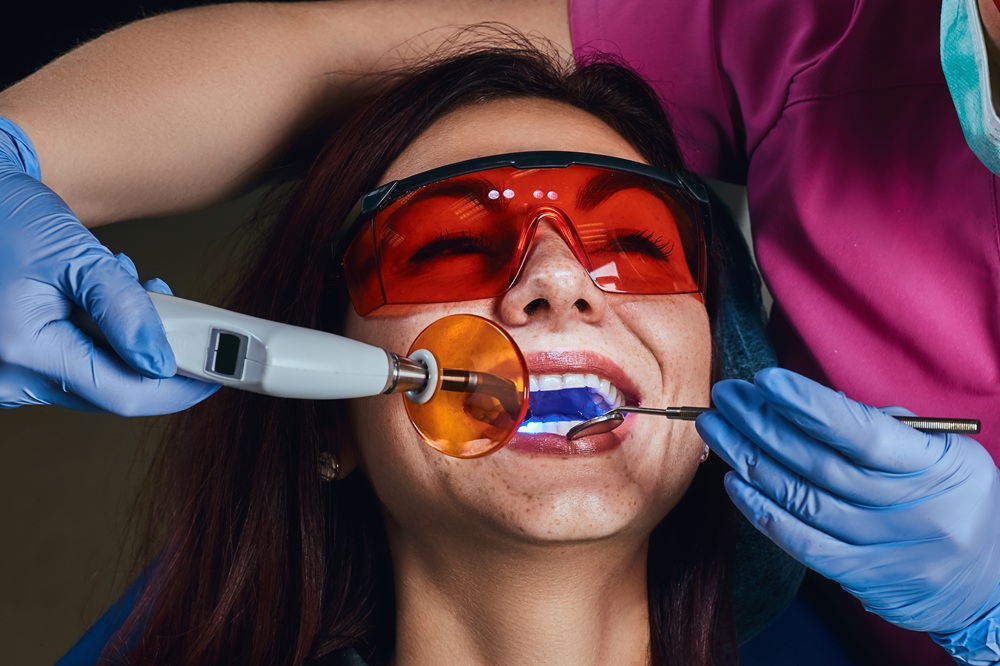
Professional teeth whitening uses whitening products to lighten the colour of natural teeth and reduce certain types of stains. The process is usually planned based on the condition of the teeth, the type of staining, and the desired level of whitening. Teeth whitening near you may be available as an in-office treatment or through dentist-provided at-home whitening trays. The whitening ingredients work on stains within the tooth and can make the natural tooth colour look lighter. However, whitening does not change the colour of crowns, veneers, or fillings. A dental assessment can help determine whether professional whitening is suitable and what results may be realistic.
What Happens During Professional Teeth Whitening?
At a dental clinic in Millwoods, the teeth are first checked to ensure whitening is suitable. Existing dental concerns, such as cavities or gum problems, may need attention before whitening.
The whitening product is then applied to the teeth according to the treatment plan. Professional products commonly contain hydrogen peroxide or carbamide peroxide. These ingredients help break down certain stains that make teeth look darker.
How Does the Whitening Ingredient Work?
Whitening products contain an active ingredient that can move into the tooth and react with stain molecules. This breaks down some of the compounds that cause discolouration.
As the stain molecules change, the teeth can appear lighter. The amount of whitening depends on factors such as the type of stain, the starting tooth colour, and how the teeth respond to treatment.
What Can Professional Whitening Remove?
Professional whitening can help reduce many stains caused by everyday habits and natural changes over time.
Common sources of tooth staining include:
- Coffee and tea
- Red wine
- Tobacco use
- Certain foods and drinks
- Natural tooth colour changes with age
Not every type of discolouration responds in the same way. Some deeper or internal stains may need a different approach.
How Long Does Professional Whitening Take?
Treatment time depends on the whitening method being used. An in-office treatment may be completed during a dental visit, while dentist-provided home trays are used over a longer period according to the instructions.
A dental clinic near you can explain how the selected method works and how long it may take. The final result can also vary from one person to another.
Can Whitening Cause Tooth Sensitivity?
Yes. Temporary tooth sensitivity can occur during or after whitening. Some people may notice sensitivity to cold foods, drinks, or air.
Sensitivity may be more likely when teeth are already sensitive or when whitening products are used too often or incorrectly. Following the recommended treatment instructions can help reduce unnecessary discomfort.
If sensitivity is severe or persists after treatment, a dental professional can assess the teeth and recommend appropriate next steps.
Why Do Results Differ Between People?
Whitening does not produce the same result for everyone. The starting shade, type of staining, age, tooth condition, and whitening method can all affect the outcome.
At a dental clinic, an assessment can help identify the likely cause of discolouration before treatment begins. This can also help set realistic expectations about how much the teeth may lighten.
What About Crowns, Veneers, and Fillings?
Professional whitening works on natural tooth structure. It does not whiten dental crowns, veneers, or tooth-coloured fillings in the same way.
If a restoration is a different shade from the natural teeth, whitening should be discussed before replacing or changing the restoration. This can help avoid an unwanted colour difference.
How Can Whitening Results Be Maintained?
After professional whitening, everyday habits can affect how long the teeth stay lighter.
To help maintain the result:
- Brush and clean between the teeth regularly.
- Limit foods and drinks that commonly stain teeth.
- Avoid tobacco products.
- Follow any aftercare instructions provided.
- Attend regular dental checkups and cleanings.
Professional whitening does not prevent new stains from developing, so ongoing care remains important.
Brighten Your Smile With the Right Approach!
Professional whitening can be an effective way to reduce certain stains and lighten the natural colour of teeth when it is suitable for the individual. Understanding the treatment, possible sensitivity, and limits of whitening can help set realistic expectations.
Contact Millwoods Dental Choice to discuss professional teeth whitening options and book your appointment today.
FAQS
Is professional teeth whitening better than whitening toothpaste?
They serve different purposes. Whitening toothpaste mainly helps remove surface stains, while professional whitening uses stronger whitening ingredients to lighten the natural tooth colour.
Can professional whitening remove all tooth stains?
No. Some stains respond well to whitening, while deeper or internal discolouration may not. A dental assessment can help identify the type of stain.
How soon can teeth be whitened again?
The timing depends on the whitening method and the condition of the teeth. Repeating treatment too often may increase sensitivity, so professional guidance is helpful.
Can whitening make fillings look different?
Yes. Whitening can lighten natural teeth without changing the colour of existing fillings. This may make a filling more noticeable after whitening.