
 Proudly Canadian, serving Alberta since 1990

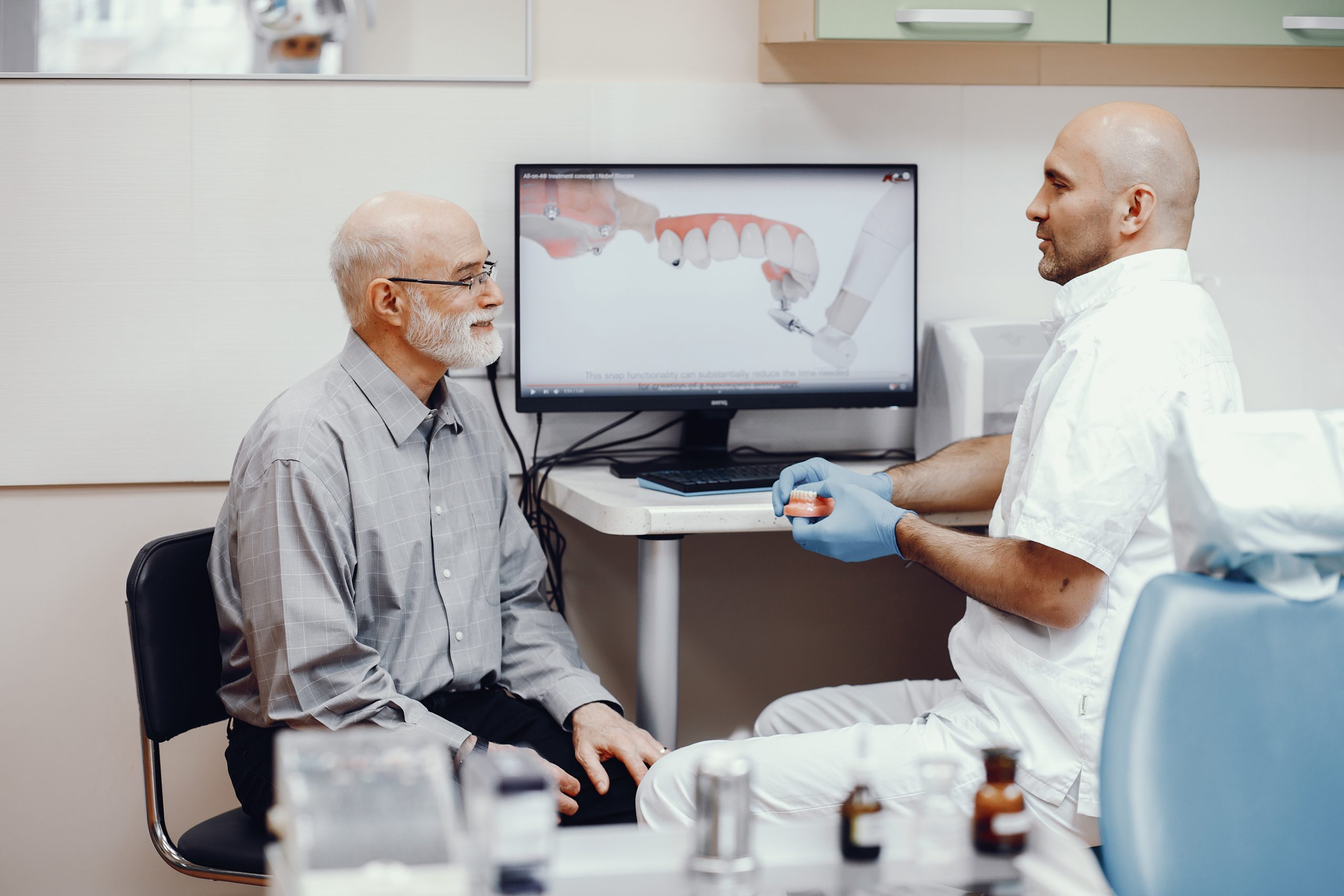
Missing teeth can make chewing and speaking difficult. A dental bridge is a common solution offered by a dentist near you to restore your smile and improve oral health. Many patients often ask, “Is a dental bridge permanent?” This blog explains what a dental bridge is, the types available, how it works and what to expect during treatment.
What is a Dental Bridge?
A dental bridge is a dental restoration that fills the gap created by one or more missing teeth. It consists of a false tooth, called a pontic, which is held in place by dental crowns on the adjacent teeth or supported by dental implants. Dental bridges help maintain facial shape, prevent remaining teeth from moving and restore chewing and speaking abilities.
Types of Dental Bridges
There are several types of dental bridge Edmonton, each designed for different dental needs. Here is a table summarizing the main types:
| Type of Dental Bridge | Description | When It Is Used |
|---|---|---|
| Traditional Bridge | A false tooth is held in place by crowns on both adjacent teeth. | Most common; used when surrounding natural teeth are healthy and strong. |
| Cantilever Bridge | A false tooth is supported by a crown on only one adjacent tooth. | Used when only one side has a natural supporting tooth. |
| Maryland Bridge | A false tooth is attached using metal or porcelain wings bonded to nearby teeth. | Ideal for front teeth where there is minimal biting pressure. |
| Implant-Supported Bridge | A false tooth is supported by dental implants instead of natural teeth. | Used when natural teeth are missing or not strong enough to support a bridge. |
How Does a Dental Bridge Work?
A dental bridge works by anchoring a false tooth to adjacent teeth or dental implants. The steps are usually as follows:
- Consultation: The dentist near you examines teeth and takes X-rays to plan the treatment.
- Tooth Preparation: Adjacent teeth may need shaping to fit crowns if they will support the bridge.
- Impression: A dental mould is taken to create a bridge that fits perfectly.
- Temporary Bridge: A temporary bridge may be placed to protect teeth until the permanent one is ready.
- Placement: The permanent bridge is cemented onto the prepared teeth or implants.
- Follow-Up: A checkup ensures the bridge fits well and functions properly.
Dental bridges are designed to look like natural teeth. Proper care, including brushing, flossing, and regular visits to a dental clinic, helps keep the bridge clean and lasts for many years.
Is a Dental Bridge Permanent?
A dental bridge is not permanent in the sense of lasting a lifetime, but it is a long-term solution. Bridges can last anywhere from 5 to 15 years or more with proper dental care. Regular checkups with a dentist near you are important for monitoring the health of the bridge and surrounding teeth.
Are Dental Bridges Safe?
Dental bridges are generally safe for most patients. They are made from materials like porcelain, ceramic, or metal, which are biocompatible and designed for oral use. Some sensitivity may occur after placement, but it usually resolves within a few days. Patients with gum disease or weak supporting teeth may require additional treatment before a bridge can be placed. Discussing medical history and dental health with a professional ensures the best outcome.
What to Expect After Getting a Dental Bridge
After a dental bridge is placed, there may be minor discomfort or sensitivity. Avoid hard or sticky foods for a few days to allow the bridge to settle. Maintaining good oral hygiene is important. Flossing under the bridge using a special floss threader can help prevent decay and gum problems. Regular visits to a dental clinic help monitor the bridge and the surrounding teeth.
Benefits of a Dental Bridge
- Restores the ability to chew and speak properly
- Prevents teeth from shifting into the space
- Maintains facial shape and smile aesthetics
- Improves oral health by distributing bite forces evenly
Dental bridges are an effective way to replace missing teeth and restore normal function. Consulting a dentist near you can help determine which type of bridge is best for individual needs.
Wrapping Up
Dental bridges provide a reliable way to replace missing teeth, restore chewing and speaking, and improve the appearance of a smile. Consulting a dentist ensures the best results and helps maintain long-term oral health. Regular visits to a dental clinic Millwoods and proper care keep bridges safe and functional for many years.
Restore Your Smile with a Dental Bridge
At Millwoods Dental Choice, we offer dental bridge to replace missing teeth and restore your smile. Our dental clinic uses safe materials and precise techniques to ensure your bridge fits comfortably and works well. Our experienced dentists focus on your oral health and proper function. Schedule a visit today to discuss the dental bridge for you.
FAQs
How long does it take to get a dental bridge?
The process usually takes 2–3 visits to a dental clinic over a few weeks.
Can I eat normally with a dental bridge?
Yes. Most patients can resume normal eating after healing and adjusting to the bridge.
How do I clean a dental bridge?
Brush twice daily and floss using a threader to clean under the bridge.
Can a dental bridge break?
Yes. While bridges are strong, biting tough foods or injury can damage them.
Do dental bridges hurt?
Some mild discomfort or sensitivity is normal at first, but it usually goes away within a few days.