
 100% Canadian Owned and Led

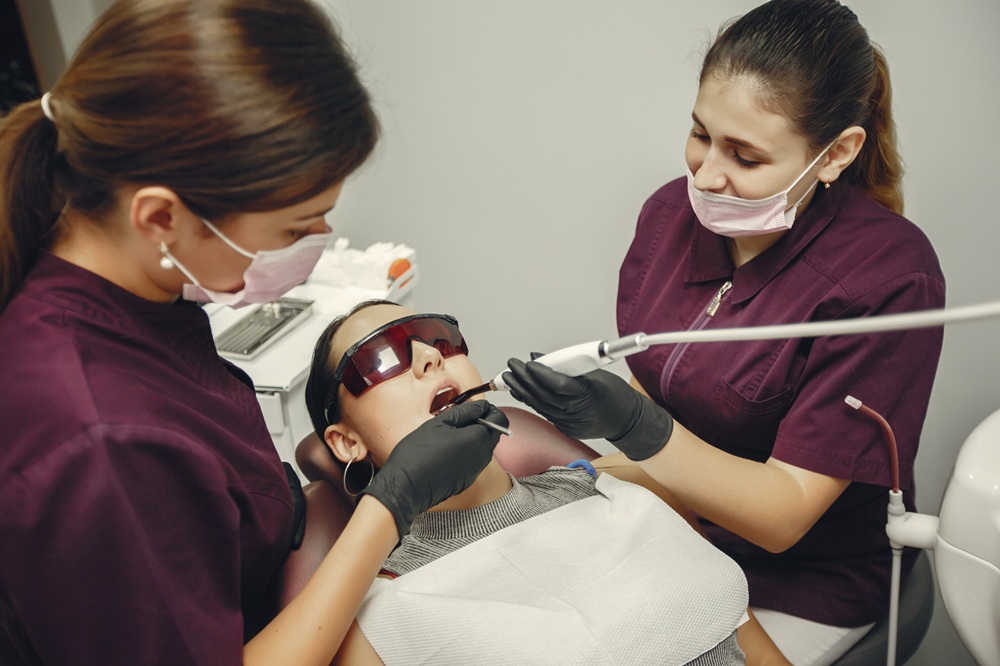
Gum disease often begins quietly, with mild symptoms such as minor bleeding or swollen gums. Left untreated, however, it can progress into periodontitis, a serious infection that damages the soft tissue and destroys the supporting bone around your teeth. If you are wondering why a deep dental cleaning (scaling and root planing) is needed for gum disease, the primary reason is to remove hidden bacterial buildup from deep pockets beneath the gumline where regular brushing, flossing, and standard surface cleanings cannot reach.
Understanding Deep Dental Cleaning (Scaling and Root Planning)
A deep cleaning is a specialized therapeutic procedure as opposed to a standard prophylaxis that polishes teeth above the gum line. Deep periodontal pockets are created when bacterial toxins and persistent plaque press against the gums, causing the tissue to separate from the tooth root.
Receiving a professional dental cleaning near you that includes scaling and root planning works in two distinct steps:
- Scaling: The clinician uses specialized hand tools and ultrasonic instruments to remove plaque, tartar (calculus), and bacterial toxins from both above and below the gumline.
- Root Planning: The tooth roots are carefully smoothed to eliminate rough areas where bacteria hide, encouraging the gum tissue to heal and reattach tightly to the tooth structure.
The Critical Benefits of Deep Dental Cleanings
The first line of defense against growing periodontal damage is a thorough cleaning. Selecting care from a reputable, committed dental clinic in Millwoods ensures your treatment effectively stops infection.
Key benefits of scaling and root planning include:
- Stops Gum Disease: Cleans out deep bacteria to stop gum and bone damage.
- Shrinks Gum Pockets: Helps gums heal and tighten around teeth, leaving fewer hiding spots for germs.
- Saves Teeth: Keeps the supporting bone strong so teeth don’t loosen or fall out.
- Cures Bad Breath: Removes trapped food and bacteria below the gumline to get rid of chronic bad breath.
What to Expect During and After Your Procedure
Your doctor usually numbs the gums with local anesthesia during treatment to ensure your comfort. The operation may be split into two reasonable visits, one for each side of the mouth, depending on the degree of periodontal involvement.
For a few days after treatment, moderate soreness or sensitivity to warmth is typical. You can maintain your gum health and avoid reinfection by practicing good oral hygiene at home and visiting a compassionate dental clinic near you for regular supportive care appointments.
Protect Your Gums and Preserve Your Smile
Taking proactive steps to manage gum disease stops active infection in its tracks and safeguards your natural teeth for the future.
If you suspect signs of gum disease or are due for an evaluation, contact Millwoods Dental Choice today to schedule your consultation.
Frequently Asked Questions
Is a deep dental cleaning painful?
No. Local anesthesia is administered to numb the treatment areas thoroughly during scaling and root planning, ensuring you remain comfortable throughout the procedure.
How long does it take for gums to heal after a deep cleaning?
Most patients notice healthier gums and much less swelling in about a month to six weeks. Following your care instructions will help you heal even faster.
Can a regular dental cleaning replace scaling and root planning?
No, only preventative care above the gum line is the focus of standard cleanings. To treat the current illness beneath the gums, a deep cleaning is necessary once extensive periodontal pockets and subgingival tartar develop.
How often do you need scaling and root planning?
Scaling and root planning is usually a one-time therapeutic procedure to manage active periodontitis. Afterward, patients transition to a routine periodontal maintenance cleaning schedule every 3 to 4 months.