
 100% Canadian Owned and Led
Tooth pain can range from a mild irritation to something that stops you in your tracks. But how do you know when the pain is serious enough to need a root canal? Many people put off going to the dentist—hoping the discomfort will pass on its own. The truth is, some symptoms are clear warning signs that something is wrong deep inside the tooth. If you have been searching for root canal therapy near you, knowing what to look for could save your tooth and spare you from a lot of unnecessary pain.
What Happens Inside a Tooth That Needs a Root Canal?
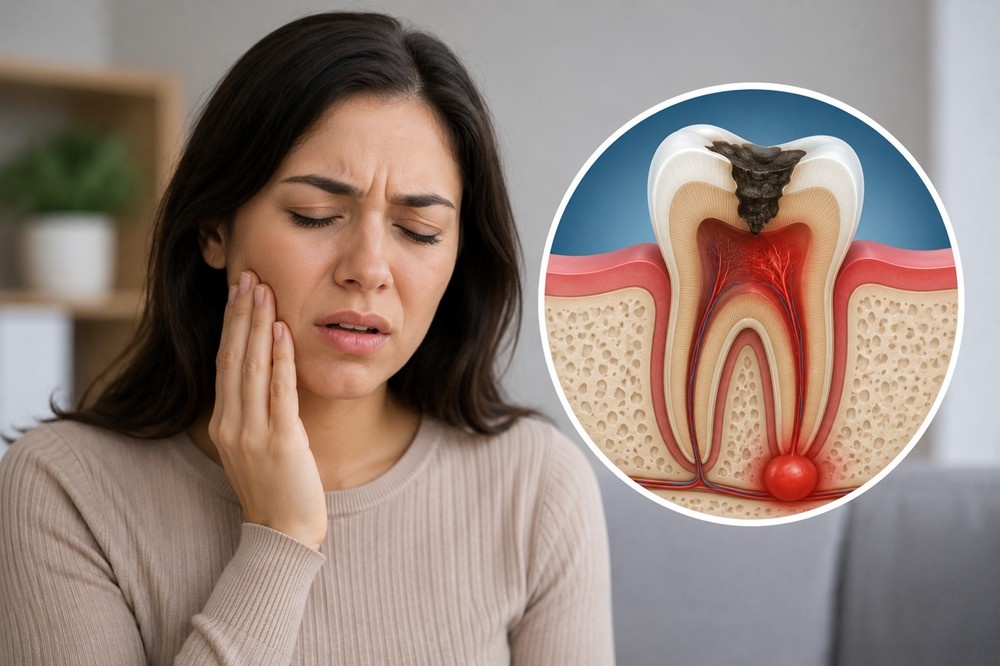
Every tooth has a soft inner layer called the pulp. This pulp contains nerves, blood vessels, and connective tissue. It runs through narrow channels—called root canals—down into the jawbone.
When the pulp becomes infected or severely inflamed, it cannot heal on its own. The infection causes pressure to build inside the tooth — and that pressure is what creates the pain.
A root canal removes the infected pulp, cleans the canals thoroughly, and seals the tooth. It relieves the pain by removing its source.
Key Symptoms That May Mean You Need a Root Canal
These are the signs that should prompt you to visit a dental clinic near you without delay.
Persistent or Severe Tooth Pain
This is the most obvious sign. The pain is often described as a deep, throbbing ache that does not go away. It may get worse when you bite down, and it often continues even when you are not eating or drinking.
If over-the-counter pain relief is not making a real difference—and the pain keeps returning—that is a strong signal something is seriously wrong inside the tooth.
Prolonged Sensitivity to Heat or Cold
A little sensitivity is normal. But if your tooth hurts when you drink something hot or cold — and that pain lingers for 30 seconds or more after the source is removed — the nerve inside the tooth may be affected.
This kind of lingering sensitivity is different from a quick, sharp twinge. It is a sign of deeper inflammation or infection.
Swelling or a Pimple on the Gum
A small raised bump on the gum near a painful tooth—sometimes called a dental abscess or gum pimple—is a sign of infection draining from the root. It may come and go, but it does not disappear on its own.
Swelling in the face, jaw, or neck alongside tooth pain is a more serious sign. It means the infection may be spreading and needs urgent attention.
Darkening of the Tooth
A tooth that has become noticeably darker than the ones around it may have a damaged or dying pulp inside. As the pulp breaks down, it can cause the tooth to change colour from the inside out.
This is not always accompanied by pain—which is why it is important to mention any colour changes to your dentist even if the tooth feels fine.
Pain When Biting or Touching the Tooth
If a specific tooth causes a sharp or intense pain when you bite down, chew, or even press on it lightly, the nerve or surrounding tissue inside may be inflamed or infected.
This kind of pain is different from general tooth sensitivity. It is localized, consistent, and tends to get worse rather than better over time.
A Cracked or Chipped Tooth
A visible crack or chip—especially one that reaches deep into the tooth—can allow bacteria to enter and infect the pulp over time.
Not all cracks are visible. Some are only detected on an X-ray. But if a tooth has been cracked and you start experiencing any of the symptoms above, a root canal may be needed to address the infection that has developed inside.
A Simple Symptom Overview
Here is a quick reference table to help you identify the key warning signs:
|
Symptom |
What It May Indicate |
|
Persistent throbbing pain |
Infected or inflamed pulp |
|
Lingering sensitivity to hot or cold |
Nerve damage or deep inflammation |
|
Swelling in the gum or face |
Spreading infection or abscess |
|
Darkening of the tooth |
Pulp breakdown from the inside |
|
Pain when biting or touching the tooth |
Inflamed tissue around the root |
| Crack or chip in the tooth |
Bacteria entering through the fracture |
If you recognize one or more of these symptoms, it is time to see a dentist in Millwoods. Do not wait for the pain to become unbearable.
What Happens If You Ignore These Symptoms?
This is an important question. Many people hope the pain will simply go away. Sometimes the discomfort eases temporarily—but that does not mean the problem has resolved. In fact, it can mean the nerve has died, while the infection continues to spread silently.
Left untreated, a tooth infection can:
- Spread to the surrounding jawbone
- Affect neighbouring teeth
- Develop into a serious abscess
- In rare but serious cases, the spread beyond the mouth
Getting care early is always the better choice — for your tooth, your health, and your wallet.
Do Not Wait for the Pain to Get Worse
The symptoms described in this blog are your body’s way of telling you something needs attention. Root canal therapy is not something to fear — it is the procedure that takes the pain away and saves the tooth.
At Millwoods Dental Choice, our concerned and knowledgeable team is here to diagnose you truthfully, to explain your choices thoroughly, and to deliver their delicate and effective treatment in all steps along the path. If you are having any of these signs, please do not ignore them.
Schedule an appointment with us and start experiencing your true relief.
Frequently Asked Questions
Q1. Can a tooth that needs a root canal stop hurting on its own?
The pain may ease temporarily if the nerve dies—but the infection does not go away on its own and will continue to cause damage if left untreated.
Q2. Is a root canal painful?
The procedure is carried out under local anesthesia, so you should feel little to no pain during treatment—most patients are surprised by how comfortable it actually is.
Q3. How quickly should I see a dentist if I have these symptoms?
As soon as possible, if you have swelling, a fever, or severe pain, seek dental care on the same day, as these may indicate a spreading infection.
Q4. Can all teeth showing these symptoms be saved with a root canal?
Not always — in some cases, the damage may be too extensive. Your dentist will assess the tooth carefully and recommend the best course of action for your specific situation.